States Move to Ban Crypto Kiosks as Scams Mount
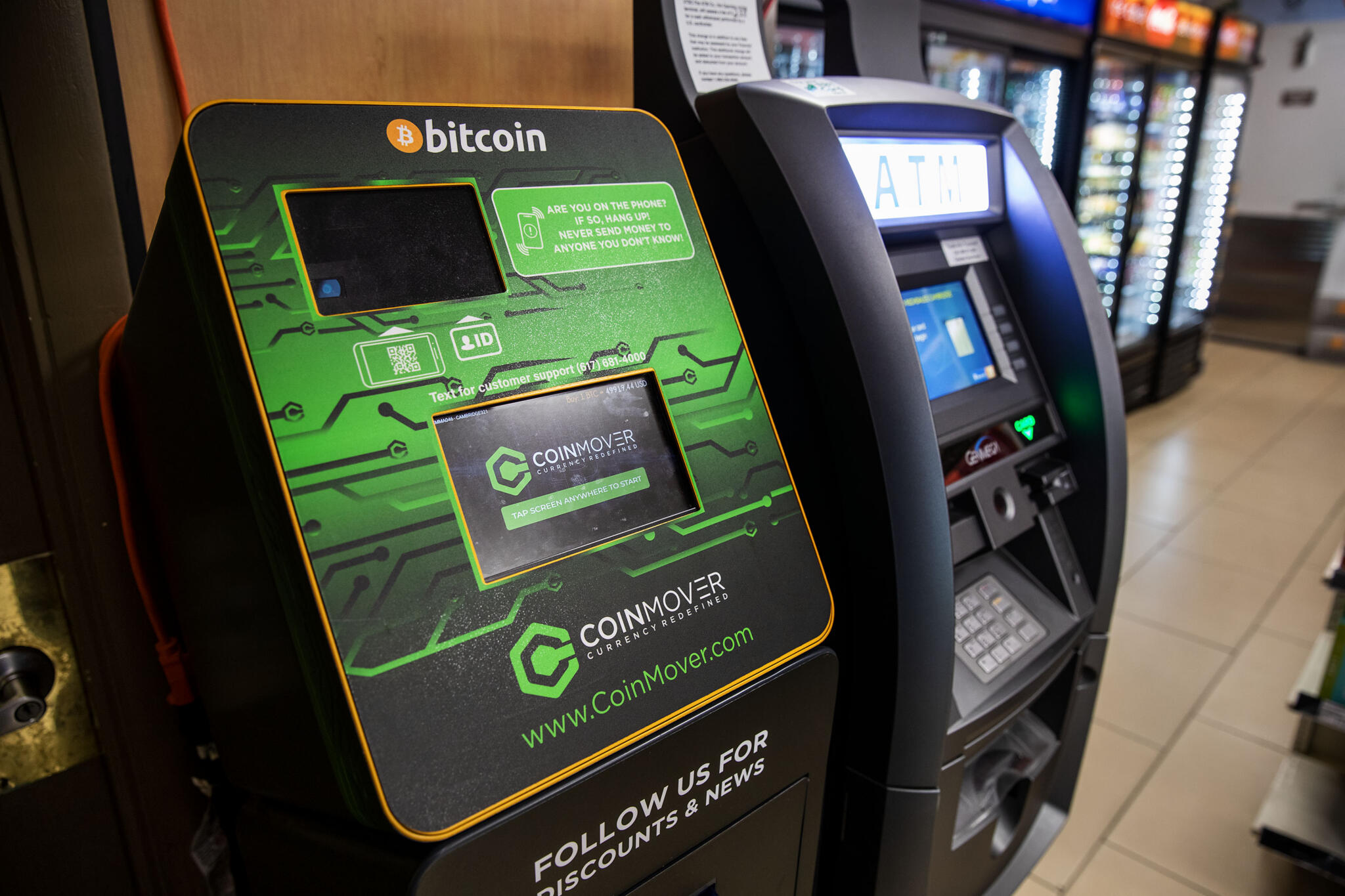
States and cities are taking fast action to ban crypto kiosks across the country. Local governments are moving to shut down these machines because scams are mounting quickly. Officials hope these new bans will protect everyday people from losing their money.
Why Are States Moving to Ban Crypto Kiosks?
More people are reporting lost money after using local cryptocurrency machines. Fraudsters tell victims to deposit cash into a nearby machine to save their savings or pay a fake fee. Because these cash transfers happen right away, people lose their funds before they realize it is a scam.
Many local leaders feel that normal safety steps are no longer working to stop these criminal tricks. They see public places like gas stations and grocery stores as risky spots when these machines are inside. Banning the physical kiosks completely is becoming the easiest way for cities to keep residents safe from fraud.
How Do Local Government Bans Work?
City councils and state lawmakers write new rules that make it illegal to place or run these machines in their towns. You can learn more about how local government in the United States creates new community rules to protect residents. When a ban passes, business owners must remove the kiosks from their stores or face strong fines.
These local bans mean companies cannot set up new machines in areas that pass the law. Police officers and city inspectors check local shops to make sure all existing machines get unplugged and removed. As more towns share information about local fraud, neighboring communities are passing identical rules to close off the whole region.
What Does This Mean for Ordinary Crypto Users?
If you use cash to buy digital coins at a local store, you will likely have to find a new way to trade. People who live in areas with strict bans will no longer see these machines at their local gas stations or corner shops. Everyday buyers will need to use online apps or licensed bank services on their phones instead.
For most regular users, losing physical kiosks makes buying coins take a few more steps. However, consumer safety groups believe this change will save older adults and regular workers thousands of dollars each year. You should always talk to trusted friends or family before sending money anywhere using a physical machine.
What Should You Watch for Next?
You can expect more towns and state capitals to vote on similar kiosk bans in the coming months. Lawmakers are watching to see if these new local rules help lower the total number of scam reports in early states. If the bans work well, national leaders might try to pass bigger laws for the whole country.
At the same time, companies that own the kiosks may try to fight the bans in court to keep their business open. They might offer to add lower daily deposit limits or extra warning screens to prevent lawmakers from taking the machines out completely. Readers should check local news updates to see if their own city plans to vote on a kiosk ban soon.


Comments
Post a Comment