Germany Launches Dialogue on Economic Future
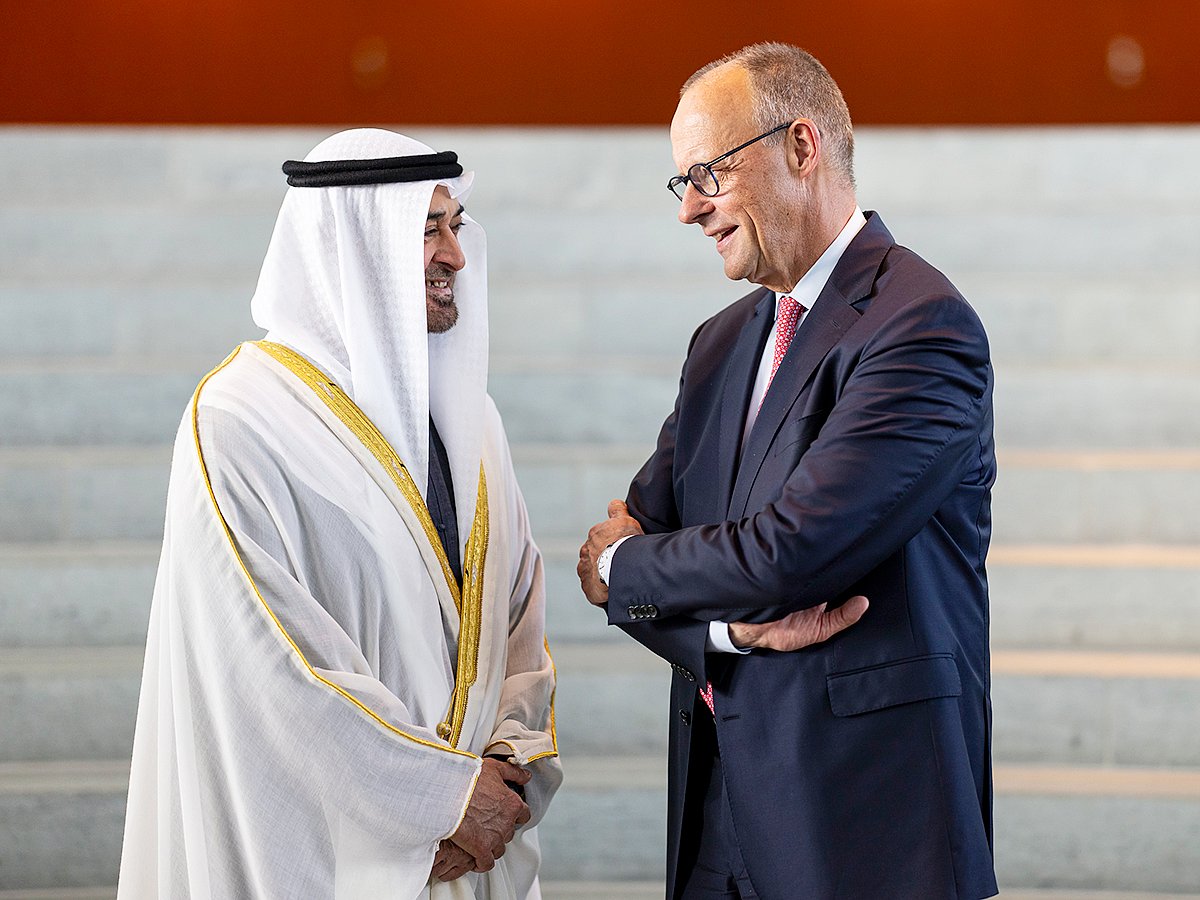
Germany launches dialogue on economic future to figure out new paths for growth. Leaders want to talk about big changes in business and financial plans. This official move brings experts together to talk about what comes next for the country.
Why is Germany opening a conversation on its financial system?
The government wants clear answers about how to keep its markets strong. Leaders know that old rules might not solve tomorrow's problems, so they are gathering top minds for answers. They plan to look at how businesses produce goods, how banks handle money, and how workers can adapt to fresh demands.
This big push comes at a time when traditional industries face major changes across the globe. By talking now, leaders hope to build safer roads for small companies and large factories alike. You can learn more about how money institutions evolved over time by reading about the History of banking to see how past choices changed national growth.
What does this mean for ordinary workers and businesses?
When a major nation looks at its financial planning, everyday people eventually feel the results. New policies can change how easy it is to start a business, find a job, or save money for retirement. Small company owners often gain clear rules that make hiring new staff less risky during uncertain times.
Regular consumers also watch these talks carefully to see if costs for goods might change. Better economic plans can lead to stronger job security and better paychecks over time. Across Europe, organizations like the European Banking Authority track these major shifts to help keep regional financial systems stable for everyone.
What key topics are on the table for discussion?
The dialogue covers several core areas that shape how money moves through the main nation of Europe. Here are the main ideas leaders plan to address during these structured talks:
- Future Growth: Finding ways to help factories and tech firms build modern tools.
- Job Safety: Making sure workers have the skills needed for upcoming industry shifts.
- Market Rules: Updating regulations so local firms can stay strong against global rivals.
Each topic impacts how much money flows into local communities every year. By setting clear goals now, the nation hopes to avoid economic traps that slow down progress for everyday citizens.
What happens next after these preliminary economic talks?
After the main discussions finish, working groups will gather the best suggestions into practical steps. Government officials will review the ideas to decide which rules need to change first. This process takes time, but it gives clear clues about where official money will go next.
Global markets will watch these decisions closely to see if other nations follow a similar path. Strong plans from top manufacturing countries usually set trends for neighboring markets. The public can expect regular updates as these discussions turn into real policies over the coming months.


Comments
Post a Comment